
Latest News
All the latest news, views and industry insight from Casserly Property Management…

Electrical Installation Condition Report (EICR) Testing in UK Schools
In the UK, ensuring the safety of students and staff is a fundamental responsibility for every school and the safety of school buildings plays a vital part in that. One critical aspect of school safety that can easily go unnoticed is the condition of electrical installations. Electrical Installation Condition Report (EICR) testing is essential to maintaining a safe environment and ensuring compliance with UK safety legislation.
What is an Electrical Installation Condition Report (EICR) and Why is it Important?
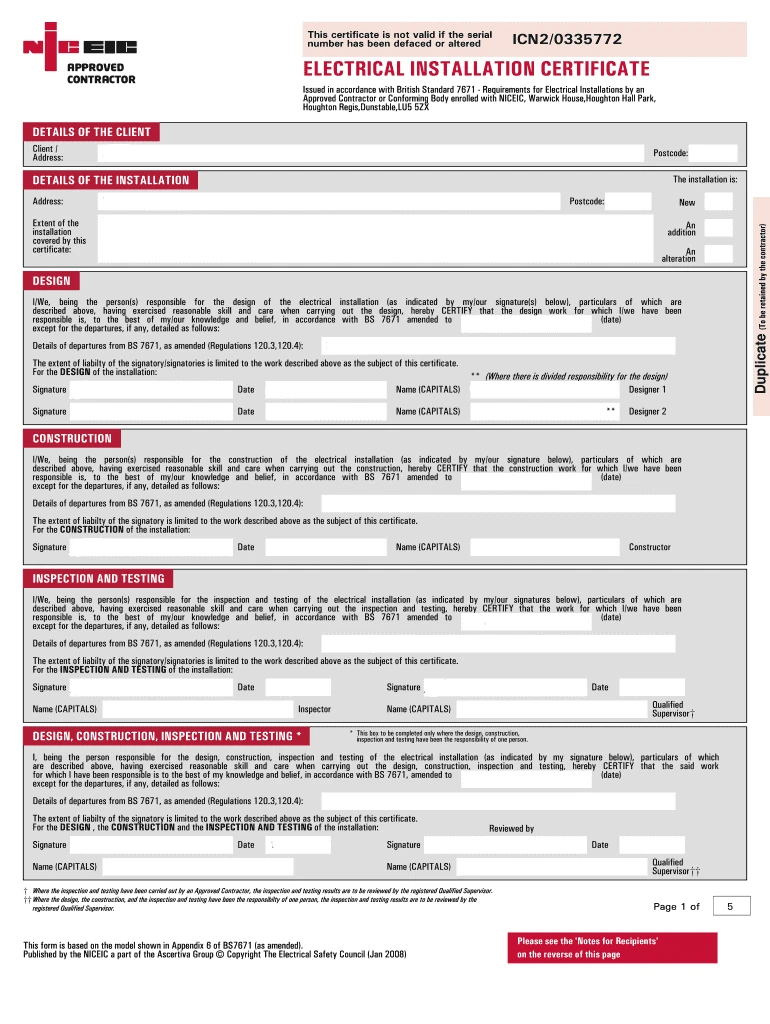
An Electrical Installation Condition Report (EICR) is often described as the 'MOT of the electrics' in a property. It involves a thorough inspection and testing of the electrical installations within a building to evaluate their condition.
As every electrical installation deteriorates with age and use, ongoing assessment and maintenance is crucial. Various factors contribute to this deterioration, including damage, wear and tear, corrosion, excessive electrical loading, ageing and environmental factors. Any instances of non-compliance and/or faulty electrical systems can pose significant risks, not only leading to potential hazards (electric shocks, fires, or equipment failures) but also compromising the safety of everyone within the school premises.
Regular Electrical Installation Condition Report (EICR) testing helps identify potential issues before they become serious hazards. This ensures that installations remain safe, maintaining the safety of pupils, teachers, and visitors and reducing the likelihood of accidents and costly emergency repairs.
Relevant Legislation
Schools, like all buildings, must adhere to strict electrical safety standards. The Electricity at Work Regulations 1989 & Code of Practice for In-Service Inspection and Testing of Electrical Equipment legally requires that all electrical installations be maintained in a safe working condition. In a school environment, compliance with these regulations is critical to protecting both staff and students from potential electrical hazards. Failure to comply can lead to legal consequences, fines, and even closure orders if electrical safety is deemed inadequate.
How is an Electrical Installation Condition Report (EICR) Carried Out?
Electrical Installation Condition Report (EICR) testing and inspection is conducted by a qualified electrician or electrical contractor. The entire electrical system is assessed for safety and compliance and includes:
-

Checking for signs of wear, tear, and damage.
-
Testing and identifying overloaded circuits.
-
Testing, inspecting and ensuring proper earthing and bonding.
-
Testing and inspecting all safety devices such as circuit breakers and RCDs.

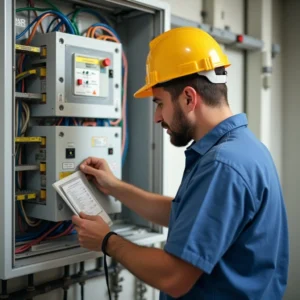
After completing the testing and inspection, the electrician will issue a report detailing any defects or areas of concern. These are classified into the following codes:
-
Code C1 – Danger present; requires immediate attention.
-
Code C2 – Potential danger; remedial work needed.
-
Code C3 – Improvement recommended.
-
Further Investigation Required – More in-depth analysis necessary.
How Often is Electrical Installation Condition Report (EICR) Testing Required in Schools?
According to industry guidelines, Electrical Installation Condition Report (EICR) testing should be conducted every five years. However, if issues arise or significant changes are made to the electrical system, more frequent testing may be necessary. Regular inspections ensure that any risks are identified and addressed promptly, preventing electrical failures and ensuring continuous compliance.
What Happens After an Electrical Installation Condition Report (EICR)?
If the report identifies Code C1, C2, or Further Investigation Required issues, the installation will receive an ‘Unsatisfactory’ rating. Schools must then arrange for remedial work to be completed to obtain a ‘Satisfactory’ report. Failure to act on the findings of an EICR can lead to severe consequences, including liability for any accidents resulting from unsafe electrical conditions. Schools would also risk falling short of regulatory compliance, which can lead to penalties and impact funding.
For schools that are unsure whether they have a valid and up-to-date EICR, it’s advisable to contact the designated Facilities Manager for clarification. Ensuring that regular testing is scheduled and completed will help maintain compliance and safeguard everyone in the school environment.
In Conclusion
EICR testing is not just a box-ticking exercise – it’s a vital component of school safety. This regulatory standard not only promotes safe working environments but is also essential in fulfilling legal obligations under the Electricity at Work Regulations 1989 & Code of Practice for In-Service Inspection and Testing of Electrical Equipment. For school facility managers, understanding the importance and requirements of EICR testing is integral to ensuring that learning environments remain secure, legally compliant, and free from avoidable risks.
If you have any questions about whether your school has a valid and up-to-date EICR in place, do not hesitate to reach out to your designated Facility Manager. Your proactive approach to safety can make all the difference in creating an educational environment that is not only conducive to learning but also secure for all.
Alternatively, you can also book a Free Consultation with me using the button below.
This article covers one of 31 different areas of compliance that affect schools and that we cover within our School Planned Maintenance Service (not all 31 areas apply to every school). You can download our Free School Building Compliance Checklist with full details of the 31 areas of compliance we cover here.
Best wishes,
David
David Loxam
Casserly Property Management
P.S. If you've found this article interesting, informative or useful in any way, please share it using the following links. And I'd love to hear your thoughts, as well. Just leave your comments below. Thank you.

More

Introducing Our Customer Referral Programme
Today, I’m excited to be introducing our Customer Referral Programme, which we decided to refer to, quite simply, as the Casserly Referral Programme. Not overly imaginative, I know. But it does what it says on the tin! We’re extremely fortunate in that we receive a great deal of very positive feedback from our clients…
How Do You Know When You’re Doing A Great Job With That New Service?
It wasn’t too long ago that we introduced a new service – although, not before we’d thought long and hard about it. But how do you know when you’re doing a great job’? The service in question was our Reactive Maintenance Service. It made sense to us that this new service, one that specifically…

And a Great Time Was Had By All
A great time was had by all at the 2025 Education Today Awards Gala Dinner, which was held on the evening of Friday 5th December at the fabulous Riverbank Park Plaza Hotel in London. After last years’ success, we were very privileged to be a finalist, once again, in 2025 and this year it was…

The 2025 Education Today Awards for Schools and Suppliers – We Are Finalists!
Thank You ….. Thank You ….. Thank You! After winning an award at the 2024 Education Today School & Supplier Awards (see the photo of Amie and I receiving the award), we were delighted to be nominated again, in 2025. After posting, recently, about being nominated – and appealing to you to take a little…

The 2025 Education Today Awards for Schools and Suppliers: Can You Help?
2024 was a great year for us when it comes to awards, with success in both the 2024 Education Today Awards and the 2024 ACE Awards. You can imagine how thrilled we are to discover that we’ve been nominated once again for the 2025 Education Today School & Supplier Awards. According to their website, the…

PAT Testing in Schools: Ensuring Safety for Your Students and Staff
Electrical safety is a critical aspect of maintaining a secure and productive learning environment in schools. Portable Appliance Testing (PAT Testing) plays a vital role in ensuring that electrical equipment used by staff and students is safe and functional. This blog post explores the importance of PAT testing in schools, best practices, and how…

Legionella Management in Schools:
Safeguarding Your Students and Staff
Legionella management in your school isn’t only important to you, your students and your staff, it’s also an area of statutory compliance governed by a number of different regulations. Today we’re going to take a look at what legionella is, why legionella management is important, the applicable regulations and how you can effectively manage…
Fire Risk Assessment in Schools: Ensuring Safety and Legal Compliance
Fire safety is a critical aspect of school management, here in the UK, where the safety of pupils, staff, and visitors should always be a top priority. In fact, schools have a duty of care to protect children, who may not fully comprehend the dangers of fire. Conducting a thorough fire risk assessment in schools is…

School Building Compliance Without Compromise Article: Education Today
We’re so excited to see our very own David Loxam’s article ‘School Building Compliance Without Compromise’, published in this month’s edition of the Education Today Magazine. Congratulations David. You can see the online version here and we’ve also added his article in full, below, as it’s a little easier to access and read.…

Education Today School and Supplier Awards Winners 2024
After some wonderful successes in 2024, what with various award nominations, being Highly Commend in the 2024 ACE Awards and significantly smashing through the 100 School Clients barrier (we now work with more than 130 schools), we’re delighted to draw 2024 to an exciting close by announcing that the icing on the ‘2024 Success Cake’…
We Can Help
Let us take the stress out of managing your property. To discuss your requirements, or arrange a no-obligation proposal…