
Latest News
All the latest news, views and industry insight from Casserly Property Management…

Fire Risk Assessment in Schools: Ensuring Safety and Legal Compliance
Fire safety is a critical aspect of school management, here in the UK, where the safety of pupils, staff, and visitors should always be a top priority. In fact, schools have a duty of care to protect children, who may not fully comprehend the dangers of fire. Conducting a thorough fire risk assessment in schools is one of the fundamental measures you can take to prevent fire-related incidents. It’s a process that ensures compliance with legal regulations, whilst safeguarding lives and property.
In this article, we explore the importance of fire risk assessments, the relevant legal frameworks, what they cover, how they’re conducted, and the consequences of failing to carry them out.
The Importance of Fire Risk Assessment in Schools
Schools are environments where large numbers of people gather on a daily basis, including children, staff, and visitors. The combination of high occupancy levels, electrical equipment, laboratory chemicals, kitchens, and flammable materials presents a wide range of potential fire hazards.
A fire risk assessment helps to:
-

Identify potential fire hazards and risks.
-
Evaluate the likelihood of a fire occurring.
-
Determine the effectiveness of existing fire safety measures.
-
Ensure safe evacuation procedures are in place.
-
Protect lives and prevent serious property damage.

Not carrying out regular fire risk assessments could lead to severe consequences, including legal repercussions, injury, loss of life, and significant damage to school buildings.
Legal Regulations Governing Fire Risk Assessment in Schools
Fire safety in schools in the UK is governed by the Regulatory Reform (Fire Safety) Order 2005 (RRFSO). Under this legislation, schools are legally required to undertake and maintain a fire risk assessment, as well as ensure that the appropriate steps required to manage the risks identified, are taken.
Key Legal Requirements Include:
-
Responsible Person
The duty to carry out a fire risk assessment falls on the 'responsible person' (typically the headteacher, school governors, local authority or an independently appointed competent person/expert).
-
Regular Reviews
Fire risk assessments must be reviewed regularly and updated whenever there are significant changes to the building structure, occupancy, or fire safety measures.
-
Fire Safety Measures
Schools must implement appropriate fire safety precautions based on the findings of the risk assessment.
-
Staff Training and Fire Drills
All school staff must receive fire safety training, and fire drills should be conducted on a regular basis.
Failure to comply with fire safety laws can lead to prosecution, fines, and in severe cases may even lead to imprisonment.
What Fire Risk Assessment in Schools Should Cover
A comprehensive fire risk assessment should cover the following key elements:
1. Identification of Fire Hazards Including
-
Recognising potential sources of ignition (e.g., faulty electrical equipment, heating systems and overloaded sockets).
-
Cooking facilities in kitchens and canteens.
-
Storage of flammable materials (paper, wood, chemicals, fuels).
-
Heating systems and boiler rooms.
-
Unattended appliances and faulty wiring.
2. Identifying People at Risk
-
Pupils, including those with disabilities or special educational needs.
-
Staff members, especially those working in higher-risk areas such as kitchens and laboratories.
-
Visitors, including parents, contractors, and external staff.
3. Evaluating and Reducing Fire Risks
-
Ensuring fire exits are clear and accessible.
-
Installing and maintaining fire alarms and extinguishers.
-
Implementing fire-resistant materials in building design.
-
Establishing fire safety training for staff.
-
Conducting regular fire drills and emergency evacuations.
4. Creating an Emergency Evacuation Plan
-
Clear fire escape routes.
-
Signage and emergency lighting.
-
Designated assembly points.
-
Appointing fire wardens and responsible staff.
5. Recording Findings and Taking Action
Schools are required to document their fire risk assessments and any actions taken to mitigate risks. This serves as proof of compliance and ensures accountability.
How Fire Risk Assessments in Schools Are Carried Out
A fire risk assessment should be carried out by a competent person, either an in-house fire safety officer or an external fire safety consultant. The process typically involves:
Step 1: Preparation
Gather all relevant documentation, including previous risk assessments, fire safety audits, and maintenance records of safety equipment.

Step 2: Site Inspection
Carry out a comprehensive walkthrough of the school premises. This includes classrooms, laboratories, kitchens, and external areas to identify potential hazards. The aim is to identify fire risks, including electrical systems, heating equipment, storage areas, and emergency exits.
The assessment also considers students, staff, and visitors who may be at risk, particularly those with mobility issues or other vulnerabilities.
Step 3: Consultation
Engage with staff, including teachers and support staff, to gain insights into existing hazards that may not be immediately apparent. Their practical experience can provide valuable information.
Fire safety measures are assessed, and improvements are recommended, such as installing additional fire extinguishers, improving fire exits, or updating staff training.
Step 4: Documenting Findings
Compile findings into a structured report that outlines all findings including identified hazards, risk levels, the steps taken to mitigate potential fire dangers and any recommendations for additional mitigation. This report serves as an essential reference for future reviews.
Step 5: Reviewing and Updating the Assessment
Schedule regular reviews of the fire risk assessment - ideally annually or immediately after significant changes to the school environment (e.g., renovations, increase in student numbers etc). Fire safety measures are assessed, and improvements are recommended, such as installing additional fire extinguishers, improving fire exits, or updating staff training. A fire risk assessment should be reviewed at least annually, as well as when significant changes are made to the school environment.
Step 6: Implementation of Recommendations
Take necessary actions based on the assessment report, prioritising high-risk areas and ensuring that staff are trained in fire safety measures.
Consequences of Not Having a Fire Risk Assessment in School
Neglecting to conduct a fire risk assessment in school not only threatens life safety but can also lead to serious consequences. Schools that fail to comply with fire safety regulations may face:
Legal Penalties and Fines
A schools’ failure to comply with fire safety regulations can result in significant fines, criminal charges, imprisonment for severe breaches or restrictions imposed on the operation of the school.
Risk to Lives and Increased Liability
Without a proper fire risk assessment, students, staff, and visitors are at greater risk of harm in the event of a fire. The most tragic consequence being the risk to life.
If a fire were to occur and it’s found that a school did not conduct a proper risk assessment, the institution may be held liable for any injuries or fatalities that arise from the incident. This could lead to costly civil lawsuits.
Damage to School Property
A fire can cause extensive damage to school buildings, leading to costly repairs, loss of educational materials, and disruption to learning.
Reputational Damage
Public perception can suffer dramatically if a school is seen as negligent regarding safety measures. Given that parents, regulatory bodies, and local authorities expect schools to prioritize student safety, neglecting safety could lead to decreased enrolment and trust from the community.
Loss of Insurance Coverage
Many insurance providers require proof of compliance with fire safety regulations. Insurers may refuse to pay out claims resulting from fire damage if a fire risk assessment in school hasn’t been completed. This could also impact the renewal of insurance policies.
Conclusion
A fire risk assessment in schools is not just a legal requirement but a fundamental responsibility for protecting students, staff, and property. By identifying potential hazards, implementing safety measures, and ensuring a clear evacuation plan, schools can significantly reduce the risk of fire-related incidents and can foster a safe and secure environment conducive to learning.
Regular reviews and staff training are essential components of a robust fire safety strategy. Failure to comply with fire safety regulations can result in severe consequences, including legal penalties, financial loss, and, most importantly, risk to human life.
To ensure compliance and safety, schools should seek professional fire risk assessments and take proactive measures to mitigate risks. By doing so, they can create a safer learning environment for everyone involved.
If you have any questions about your Fire Risk Assessment or whether your school has an up-to-date one in place, please feel free to get in touch. You can easily schedule a Free Consultation with me using the button below.
This article covers one of 31 different areas of compliance that affect schools and that we cover within our School Planned Maintenance Service (not all 31 areas apply to every school). You can download our Free School Building Compliance Checklist with full details of the 31 areas of compliance we cover here.
Best wishes,
David
David Loxam
Casserly Property Management
P.S. If you've found this article interesting, informative or useful in any way, please share it using the following links. And I'd love to hear your thoughts, as well. Just leave your comments below. Thank you.

More

Introducing Our Customer Referral Programme
Today, I’m excited to be introducing our Customer Referral Programme, which we decided to refer to, quite simply, as the Casserly Referral Programme. Not overly imaginative, I know. But it does what it says on the tin! We’re extremely fortunate in that we receive a great deal of very positive feedback from our clients…

How Do You Know When You’re Doing A Great Job With That New Service?
It wasn’t too long ago that we introduced a new service – although, not before we’d thought long and hard about it. But how do you know when you’re doing a great job’? The service in question was our Reactive Maintenance Service. It made sense to us that this new service, one that specifically…

And a Great Time Was Had By All
A great time was had by all at the 2025 Education Today Awards Gala Dinner, which was held on the evening of Friday 5th December at the fabulous Riverbank Park Plaza Hotel in London. After last years’ success, we were very privileged to be a finalist, once again, in 2025 and this year it was…

The 2025 Education Today Awards for Schools and Suppliers – We Are Finalists!
Thank You ….. Thank You ….. Thank You! After winning an award at the 2024 Education Today School & Supplier Awards (see the photo of Amie and I receiving the award), we were delighted to be nominated again, in 2025. After posting, recently, about being nominated – and appealing to you to take a little…

The 2025 Education Today Awards for Schools and Suppliers: Can You Help?
2024 was a great year for us when it comes to awards, with success in both the 2024 Education Today Awards and the 2024 ACE Awards. You can imagine how thrilled we are to discover that we’ve been nominated once again for the 2025 Education Today School & Supplier Awards. According to their website, the…

PAT Testing in Schools: Ensuring Safety for Your Students and Staff
Electrical safety is a critical aspect of maintaining a secure and productive learning environment in schools. Portable Appliance Testing (PAT Testing) plays a vital role in ensuring that electrical equipment used by staff and students is safe and functional. This blog post explores the importance of PAT testing in schools, best practices, and how…

Legionella Management in Schools:
Safeguarding Your Students and Staff
Legionella management in your school isn’t only important to you, your students and your staff, it’s also an area of statutory compliance governed by a number of different regulations. Today we’re going to take a look at what legionella is, why legionella management is important, the applicable regulations and how you can effectively manage…
Electrical Installation Condition Report (EICR) Testing in UK Schools
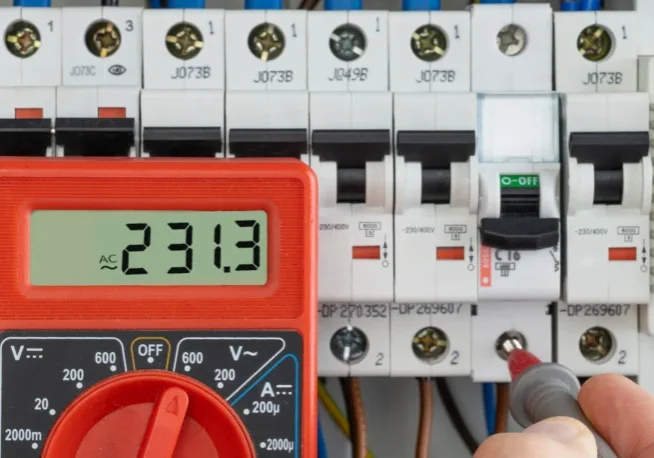
In the UK, ensuring the safety of students and staff is a fundamental responsibility for every school and the safety of school buildings plays a vital part in that. One critical aspect of school safety that can easily go unnoticed is the condition of electrical installations. Electrical Installation Condition Report (EICR) testing is essential to…
School Building Compliance Without Compromise Article: Education Today
We’re so excited to see our very own David Loxam’s article ‘School Building Compliance Without Compromise’, published in this month’s edition of the Education Today Magazine. Congratulations David. You can see the online version here and we’ve also added his article in full, below, as it’s a little easier to access and read.…

Education Today School and Supplier Awards Winners 2024
After some wonderful successes in 2024, what with various award nominations, being Highly Commend in the 2024 ACE Awards and significantly smashing through the 100 School Clients barrier (we now work with more than 130 schools), we’re delighted to draw 2024 to an exciting close by announcing that the icing on the ‘2024 Success Cake’…
We Can Help
Let us take the stress out of managing your property. To discuss your requirements, or arrange a no-obligation proposal…